

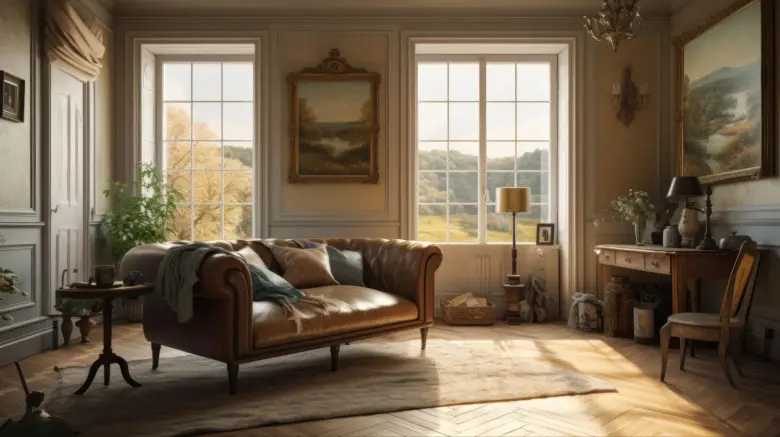


British interior design is having a major moment in 2026. From “Cotswoldcore” aesthetics to British colonial interior design, these 13 trends will help you create a home that’s both timeless and totally on-trend.
SUMMARISE WITH:


Are you dreaming of a home that feels both cozy and elegant? British interior design might be exactly what you need. This timeless style blends comfort with sophistication in a way that feels effortless.
In 2026, British home interior design is making a big comeback around the world. People love how it mixes old and new. Think plush sofas next to antique tables. Or modern art hanging above a traditional fireplace.
The beauty of British style interior design is that it works for everyone. You don’t need a mansion or a huge budget to implement it. Read on for ideas to transform any room into something special.
Here is what we will cover in this blog:
- Why British Interior Design Is Taking Over in 2026
- The 13 Must-Know British Interior Design Trends for 2026
- 1. Tonal Decorating
- 2. Character-Rich Homes & Personal Collections
- 3. Cotswolds
- 4. Dark Wood Revival
- 5. 70s Influences: Warm, Sculptural, Textured
- 6. Skirted Furniture Makes a Comeback
- 7. Biophilic Design: Nature Meets Home
- 8. Neo Deco: Art Deco Gets a Modern Makeover
- 9. British Colonial Interior Design
- 10. Warm Metal Finishes Replace Cool Chrome
- 11. Color Drenching: Go Bold
- 12. Layered Textiles: More Is More
- 13. Statement Fireplaces: The Heart of the Home
- Frequently Asked Questions About British Interior Design
- Conclusion and Next Steps
Why British Interior Design Is Taking Over in 2026
Here’s the thing about British interior design: it just works.
While other styles come and go, British home interior design has staying power. Why? Because it’s built on three simple principles:
- Comfort first: Every piece should feel as good as it looks
- Quality over quantity: Fewer items, but better ones
- Personal character: Your home should tell YOUR story
Interior designers across the globe are noticing this shift. According to recent trend reports from House Beautiful UK and Country Living, British style interior design is influencing everything from colour choices to furniture shapes. So, in 2026, make this your go-to Interior Design style without a second thought!
Quick Overview: 14 British Interior Design Trends at a Glance
Trend |
Key Feature |
Best For |
Tonal Decorating |
One colour, multiple shades |
Beginners |
Personal Collections |
Meaningful items on display |
Sentimental decorators |
Cotswoldcore |
Neutral tones, natural textures |
Cozy, calm spaces |
Dark Wood Revival |
Rich mahogany, walnut, teak |
Adding warmth and drama |
70s Influences |
Curved shapes, earthy tones |
Retro lovers |
Skirted Furniture |
Fabric extending to the floor |
Soft, romantic rooms |
Biophilic Design |
Nature indoors |
Wellness-focused homes |
Neo Deco |
Geometric patterns, jewel tones |
Period homes, bold style |
British Colonial |
Rattan, tropical plants, brass |
Exotic elegance |
Warm Metals |
Brass, bronze, aged copper |
Replacing chrome |
Colour Drenching |
One bold colour everywhere |
Small rooms, drama |
Layered Textiles |
Multiple throws, cushions |
Maximum cosiness |
Statement Fireplaces |
Focal point styling |
Traditional British feel |
The 13 Must-Know British Interior Design Trends for 2026
British interior design is always changing. But it stays true to its classic roots. Old styles mix easily with new ideas. In 2026, here’s what will trend from a broader perspective: comfort matters more than ever, simple luxury is the goal, and strong colours and rich textures will add warmth.
Let’s dive further into the trends that matter most.
1. Tonal Decorating
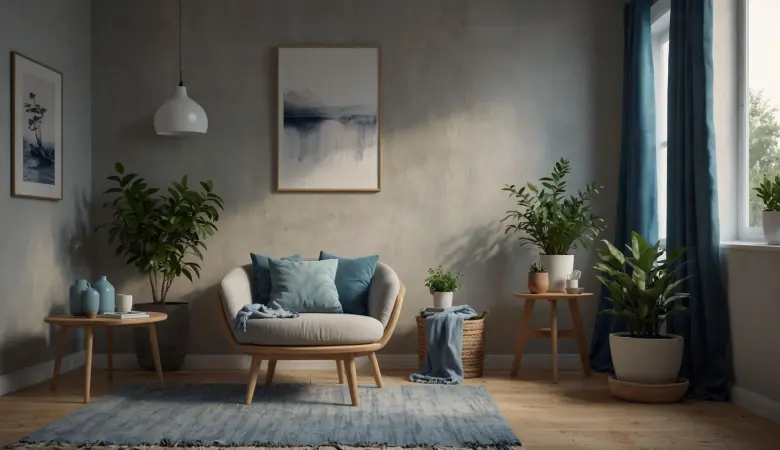
Tonal decorating means using different shades of one colour in your whole room. It creates instant style without the stress of matching colours. This trick is perfect for beginners. Since everything stays in the same colour family, you can’t really mess it up.
Here’s how to do it. Pick a base colour like sage green, warm taupe, or soft blue. Use the lightest shade on your walls. Go with medium tones on big furniture. Then add your darkest shade through small items like pillows, vases, and art.
Once you’ve achieved your tonal palette, it becomes the perfect backdrop for what matters most, the things that make a space yours.
2. Character-Rich Homes & Personal Collections
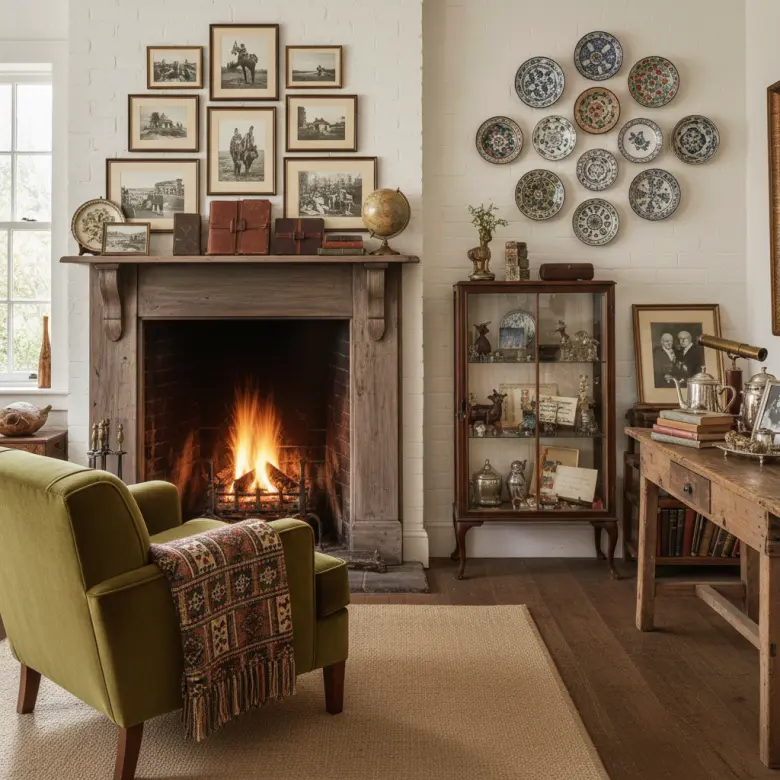
Generic decor is out. Personal collections are in. The year 2026 is all about homes with souls. British design experts see a big shift toward items that mean something to you.
Display your travel finds proudly. Don’t hide them in drawers. Show off vintage pieces from flea markets. Give family items a prime spot. Group quirky collections for more impact. One vintage plate looks random; but, ten plates on a wall? – that’s a statement.
If personal collections define your space, there’s one style that celebrates this better than any other.
3. Cotswolds
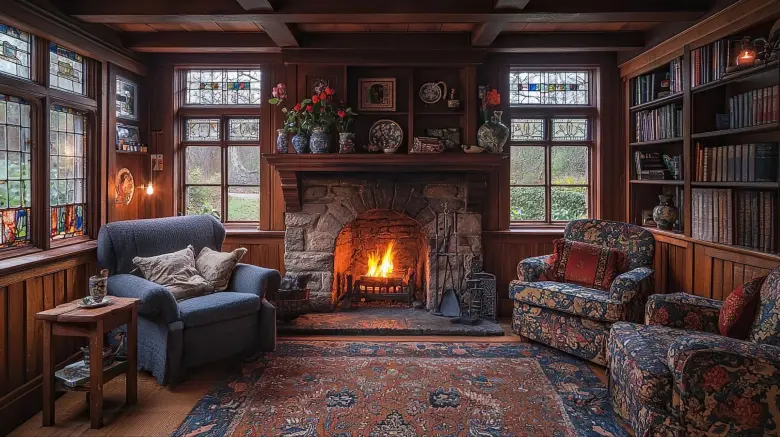
Never heard of Cotswoldcore? You’re about to see it everywhere. This trend captures the magic of England’s Cotswolds region. Think rolling hills, honey-stone cottages, and cozy village pubs.
The style uses a neutral colour palette; cream, warm white, soft taupe, and stone gray work best. Natural textures are key. Look for linen, wool, raw wood, and stone. Add antique or vintage furniture. Bring in fresh flowers and greenery. Layer cozy textiles like throws and cushions. This look is perfect if you want a calm, welcoming space that feels like a warm hug.
Those vintage furniture finds at the heart of Cotswoldcore often share one thing in common: rich, dark timber.
4. Dark Wood Revival
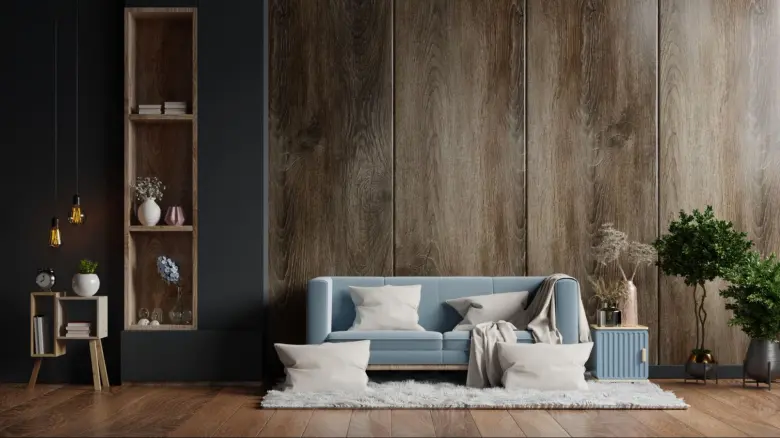
Light woods had their moment. British interior design is bringing back the drama of dark wood. After years of blonde oak and pale pine, rich warm tones are back in style.
Mahogany brings rich red-brown tones. Walnut offers warm, classy brown. Deep-stained oak is classic and works with many styles. Teak connects to British colonial heritage. To balance dark wood, pair it with light walls. Make sure your room gets plenty of natural light. Mix in lighter textiles. Use dark wood as statement pieces, but not everywhere.
Dark wood’s comeback isn’t happening alone. It’s part of a larger shift bringing warmth back to British homes.
5. 70s Influences: Warm, Sculptural, Textured
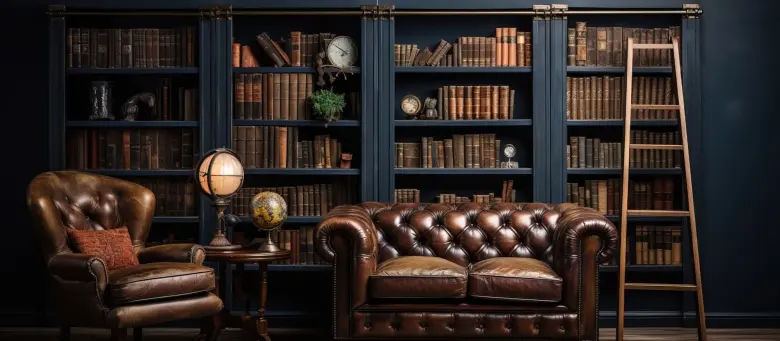
The 1970s are back. And, British home design is here for it. This isn’t about copying your grandparents’ living room, though. It’s about taking the best parts of 70s design and lending a fresh touch to them.
Look for sculptural furniture shapes. Think curved sofas and rounded chairs. Warm timber in natural finishes works well. Ribbed textures add interest to vases, furniture legs, and lamp shades. The colour palette stays earthy. Caramel brown, golden ochre, moss green, and terracotta orange all fit. Skip the shag carpet and avocado appliances, however.
The 70s influence goes beyond colour and shape. It’s also bringing back furniture styles we’d nearly forgotten.
6. Skirted Furniture Makes a Comeback
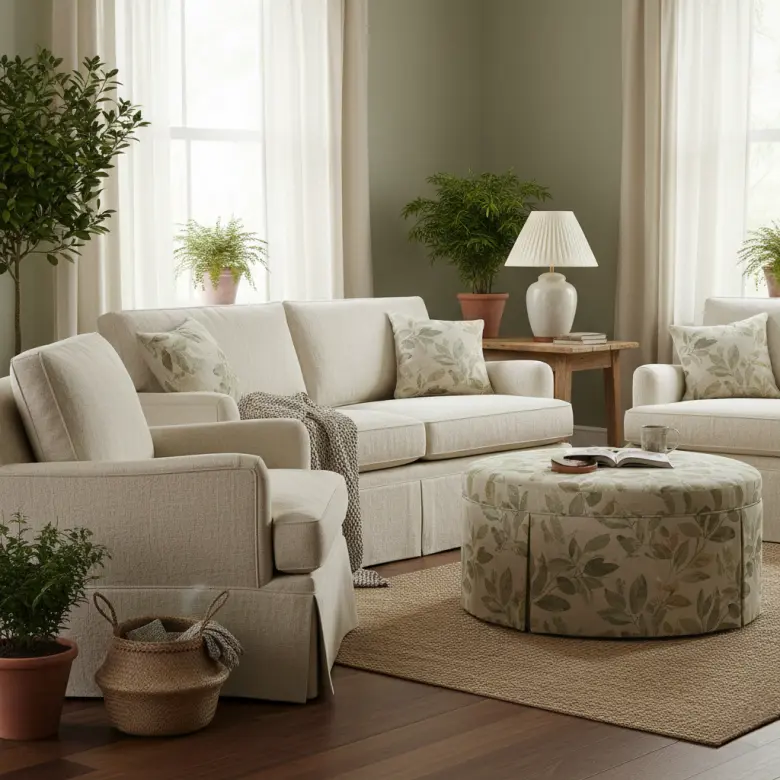
Surprise! Skirted sofas and chairs are back. These are pieces where fabric extends to the floor. The legs stay hidden. Designers love this look for many reasons.
Skirted furniture adds softness and romance to any room. It hides less attractive furniture legs. It creates a flowing, elegant shape. And it works in both casual and formal spaces. Major British brands like Loaf, OKA, and Sofa.com now offer skirted options.
Skirted furniture’s soft, organic lines hint at a deeper shift- we want to blur the line between home and nature.
7. Biophilic Design: Nature Meets Home
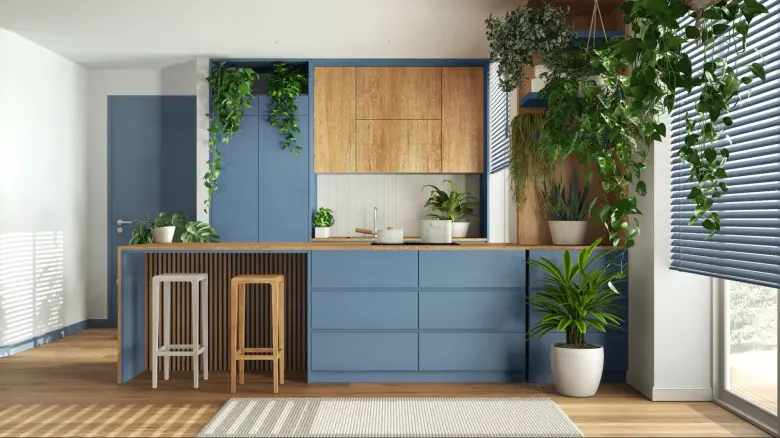
Biophilic design sounds complex. But the idea is simple. Bring nature inside. In modern British style, this goes far beyond a few houseplants.
Living walls are moving from offices to homes. Natural materials like stone, wood, cork, wool, linen, and rattan are everywhere. Large windows frame outdoor views and let in more light. Small indoor fountains add calm. Furniture takes on organic shapes that mimic nature. The goal is to blur the line between indoors and out. Your home should feel tied to the natural world.
But, nature-inspired calm isn’t the only mood British homes are chasing. Some want drama.
8. Neo Deco: Art Deco Gets a Modern Makeover
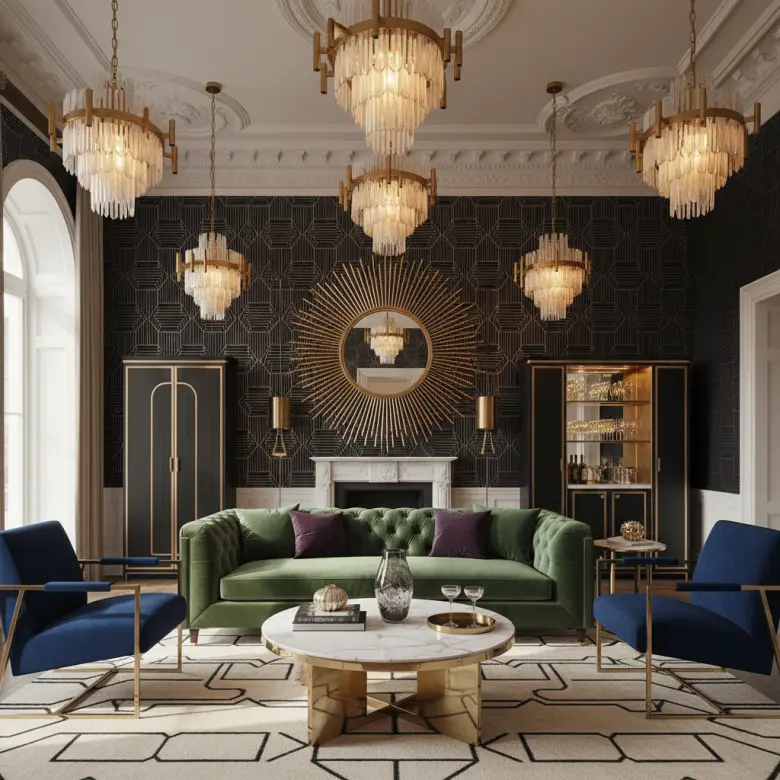
Neo Deco takes the glamour of 1920s Art Deco and updates it for today. This trend keeps the best parts of the original style and adds a fresh twist to modern homes.
You’ll see geometric patterns and shapes. Luxurious materials like velvet, brass, marble, and lacquered wood are key. Bold jewel-tone colours add punch. The whole look carries drama and class. Start with one velvet sofa in emerald, sapphire, or deep purple. Add brass or gold light fixtures. Find a statement mirror with geometric framing or maybe geometric wallpaper on one accent wall. Neo Deco looks stunning in British period homes with high ceilings.
Neo Deco isn’t the only style drawing from Britain’s design past. Another pulls from a more complex chapter of history.
9. British Colonial Interior Design
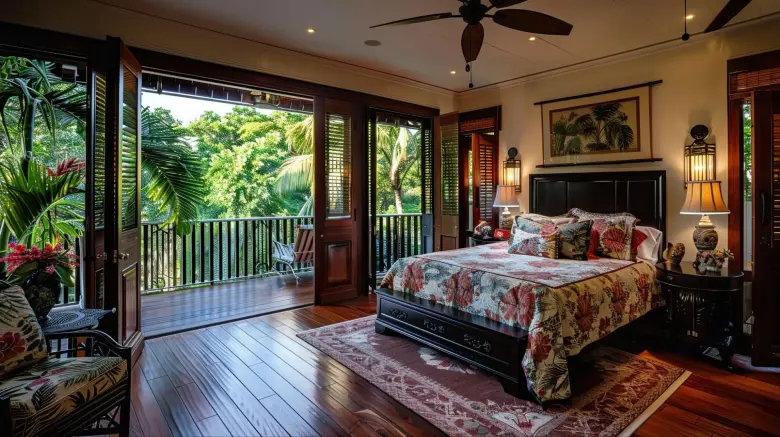
British colonial interior design has a rich origin story. When British people set up homes in tropical regions like India, Africa, and the Caribbean, they blended styles. They mixed traditional British furniture with local materials and crafts and found ways to deal with hot climates. The result is a timeless style that still feels fresh today.
For furniture, look for dark teak, mahogany, or bamboo. Key textures include cane, rattan, wicker, and seagrass. The colour palette uses light neutrals with dark wood contrast. Blue and white accents work well. Add tropical plants like palms, ferns, monstera, and bird of paradise. Accessories include campaign furniture, leather trunks, brass hardware, and botanical prints. On a budget? Start with tropical plants and rattan accessories. Look for campaign-style boxes at thrift stores.
The brass hardware central to British colonial interiors shows a broader shift in metal tastes.
10. Warm Metal Finishes Replace Cool Chrome
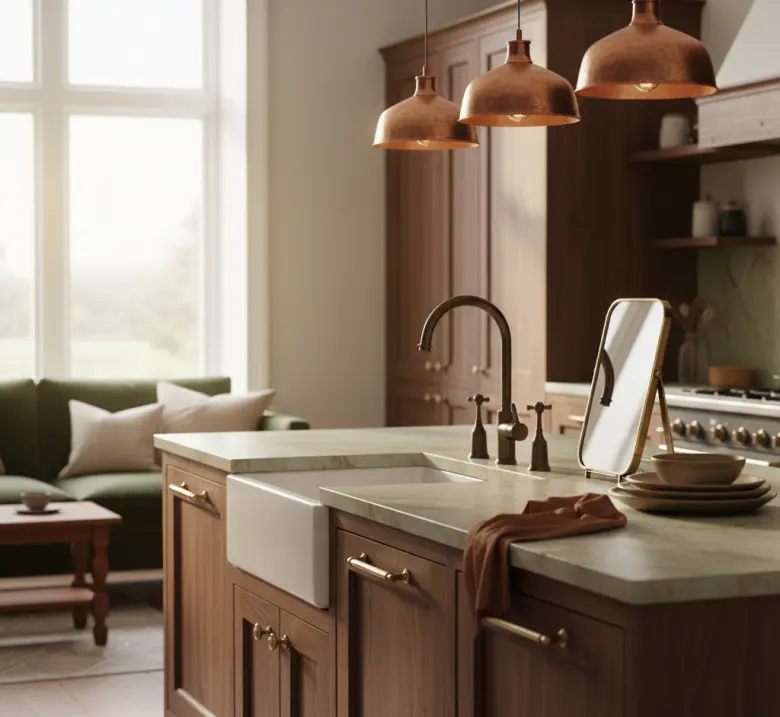
Cold, shiny chrome is out. Warm, soft metals are in. Modern British style now favours finishes with more character and depth.
Brushed nickel offers soft silver with warmth. Antique brass has a rich golden-brown patina. Soft bronze gives a warm, subtle glow. Aged copper adds character. Try easy swaps to test this trend. Change cabinet handles to brass. Switch bathroom taps to bronze. Pick light fixtures in warm gold tones. Choose antique brass mirror frames. These metals work well with dark woods, rich fabrics, and earthy colours.
Warm metals pair nicely with another bold trend, one that asks you to go all in on colour.
11. Color Drenching: Go Bold
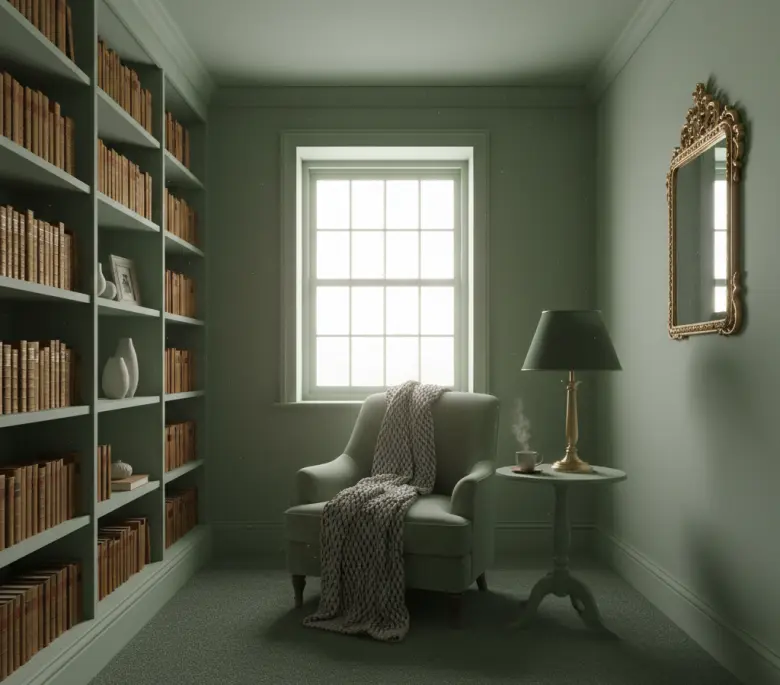
Colour drenching is one of the most daring British interior design trends of 2026. The idea is simple. Paint everything in a room the same colour. Walls, ceiling, trim, doors, and built-in shelves all match.
This creates a cozy, cocoon-like feel. Bold colours become less scary when everything matches. The effect adds instant drama. It works especially well in smaller rooms. The best colours for drenching include emerald green, deep navy blue, warm terracotta, rich burgundy, and soft sage green. Start small. Try a powder room or small bedroom before tackling bigger spaces.
A colour-drenched room needs one more thing to feel complete: layers.
12. Layered Textiles: More Is More
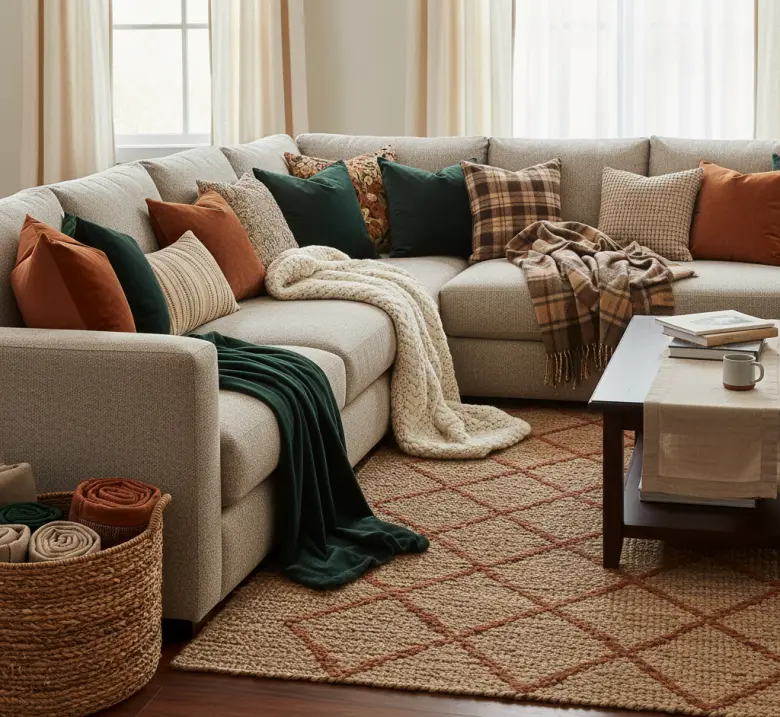
The British approach to textiles is simple. Keep layering until it feels like a hug. British home design has always loved cozy layers. In 2026, this means going even further.
Start with some high-quality base pieces: a well-made sofa, good curtains, and a solid rug. Then add throw blankets in many textures. Try knit, velvet, wool, and linen. Mix pillows in different sizes and fabrics. Use chunky woven baskets for storage. Add table runners and cloth napkins. Swap lighter layers for summer and heavier ones for winter. Same room, different mood. If it feels cozy, you’re doing it right.
All those textiles need a focal point to gather around. Nothing anchors a British room quite like what’s next.
13. Statement Fireplaces: The Heart of the Home
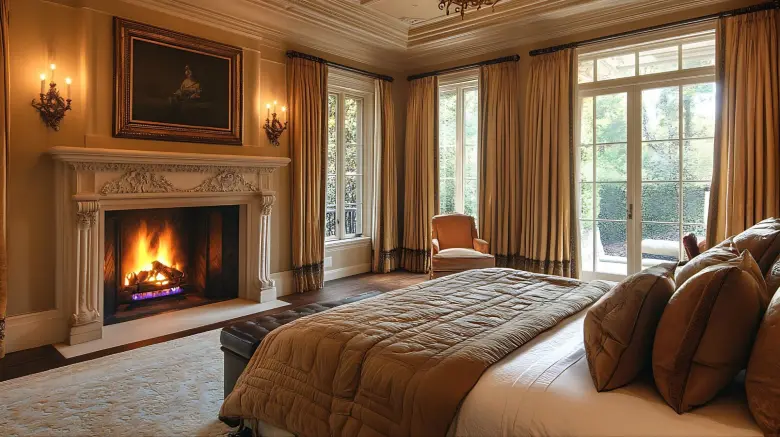
The fireplace has always been central to British style. In 2026, it’s getting extra love. Whether ornate or minimal, the fireplace is the star of the room.
Ornate marble surrounds bring classic elegance. Painted wood mantels with decorative details add charm. Modern minimal designs suit newer homes. Restored Victorian or Georgian features shine in period properties.
No fireplace? No problem. Electric fireplace inserts now look surprisingly real. Faux mantels create the visual effect. Candle arrangements in unused fireplaces add warmth. Style your mantel with artwork or a mirror above. Add collected objects arranged loosely. Include seasonal greenery and candles at different heights.
A statement fireplace is an investment. And that thinking extends to everything else in your home.
Frequently Asked Questions About British Interior Design
1. What makes British interior design different from other styles?
British interior design stands apart for several reasons. It’s layered and eclectic. Unlike minimal Scandinavian style, British spaces mix patterns, periods, and textures freely. Quality matters more than trends. Comfort is non-negotiable.
2. How can I achieve British colonial interior design on a budget?
You don’t need a fortune to adopt British colonial style. Start for free by rearranging furniture to create a better flow. Display items you already own in new ways. Add tropical plants, which are cheap at most garden centres.
3. What colours are trending in British home interior design for 2026?
The 2026 British colour palette leans towards warm and earthy. For neutrals, look at warm whites, creams, soft taupe, and stone gray. Browns are the biggest trend. Light camel, rich chocolate, and deep espresso all work well. Greens remain strong.
4. Can I mix modern furniture with traditional British design elements?
Yes! In fact, mixing is encouraged in British style. Try a sleek, modern sofa with an antique side table. Hang contemporary art over a traditional fireplace. Pair modern lighting with crown moulding. Use a clean-lined bed frame with vintage nightstands.
Conclusion and Next Steps
British interior design in 2026 has something for everyone. You may love the warmth of Cotswoldcore. Or you might prefer the rich look of British colonial style. Maybe bold Neo Deco is your match. Or calm, tonal spaces feel right to you. There is a style here for every home.
Start small. Here’s your action plan. First, pick one trend that excites you most. Second, choose one room to try it in. Third, start with small items before committing to furniture. Fourth, layer gradually. You don’t need to do everything at once. Fifth, trust your gut. If you love it, it belongs in your home.
The beauty of modern British style is its flexibility. Mix trends. Break rules. Make it yours. Your unique, stylish space is waiting.
If you want more detailed inspiration for your next interior design project, check out this project by AND Learner, Prathyusha Reddy.
You can also consider going through the following blogs:
- 20 Amazing Modern Bedroom Interior Design Examples to Consider in 2025
- 12 Scandinavian Bedroom Ideas for 2025
- 19 Small Bedroom Interior Design Ideas
In case you need further assistance, here are some resources to consider:
- Watch this session by Snehanshu Mukherjee, Founding Partner at T.E.A.M and Mansi Almadi, an Interior Designer at Studio Lotus
- Talk to a course advisor to discuss how you can transform your career with one of our courses.
- Check out our Interior Design courses – all courses are taught through live, interactive classes by industry experts.
- Take advantage of our scholarship and funding options to overcome any financial hurdle on the path to your career transformation.
Note: All information and/or data from external sources is believed to be accurate as of the date of publication.