




Looking for the latest typography ideas and trends for your next project? Take inspiration from these remarkable options and examples.
SUMMARISE WITH:


Typography design has progressed into a major art form where brands are experimenting with bold visual communication, motion graphics, and engaging interfaces. With visual content seen everywhere across multiple screens and platforms, typography is having a moment. After years of pared-down visuals dominating the markets, a fundamental shift towards expressive type can be noticed. It is more about embracing imperfections, reflecting emotions, and personalizing for users to engage with a brand on a deeper level. It has, in fact, become one of the most effective tools for recognition and trust.
Among the overwhelming amount of content that looks all the same, work that has a unique visual style naturally draws attention. Types that are legible, easy to navigate, and fit within the design context ensure a seamless interaction for the users. The trends shaping 2026 are breaking rules, telling stories that feel authentic and brave.
However, we understand picking the best trends that are worth following isn’t easy. To help you, we’ve curated the best typography trends and examples.
Here’s a clickable link to everything we’ll cover:
- Why do typography trends matter?
- 11 Typography trends to keep an eye on
- Typography design examples to inspire your next project
- Closing thoughts
Why do typography trends matter?
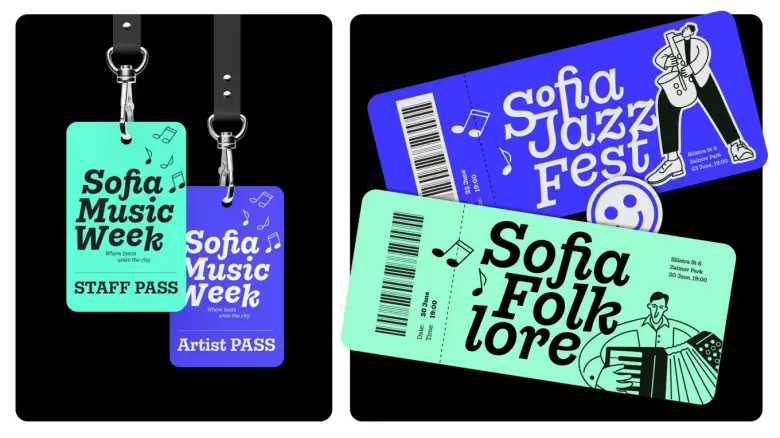
Image courtesy: Font Fabric
Typography trends allow designers to develop projects that connect, respond, and communicate with the changing interests of consumers. Staying aware of the latest updates ensures that your designs don’t feel repetitive or outdated. It provides inspiration to explore new tools, techniques, and creative approaches.
When a visual language becomes familiar, audiences start associating with it.
When a visual language becomes familiar on the internet, it creates a reference in people’s minds. They begin associating it with certain values and emotions. If you can tap into these trends, you can use this recognition as a powerful asset for your brand.
Understanding typography trends gives you a competitive edge, improves your design skills, and makes you capable of creating work that draws attention. The knowledge of such trends strengthens brand identity, improves user experience, and enables the selection of typography styles that align with a brand’s voice and resonate with its target audience.
Most importantly, typography trends encourage innovations by providing new ways to communicate ideas, tell stories, and build emotional connections. While not every trend will suit every project, understanding them urges designers to make informed decisions and create visually compelling designs that meet the evolving needs of modern audiences.
11 Typography trends to keep an eye on
Now that we have covered why graphic design trends matter, let’s take a look at the most popular trends and ideas that you should explore:
1. Typography that has its own narrative
Storytelling is one of the most powerful media for communicating a brand's purpose, and integrating it through typography amplifies its impact. Designers are treating letterforms as storytelling devices, where the arrangement of text on a page or screen carries as much meaning as the narrative. They have identified that texts can evoke emotions and convey narratives through simple visuals, making it easier for the audience to connect. This strategy has consistently proven effective in branding by tapping into the emotional and psychological aspects of consumer behavior, ensuring lasting impressions and meaningful engagement. In 2026, storytelling will remain a staple for typography design.
2. Kinetic typography
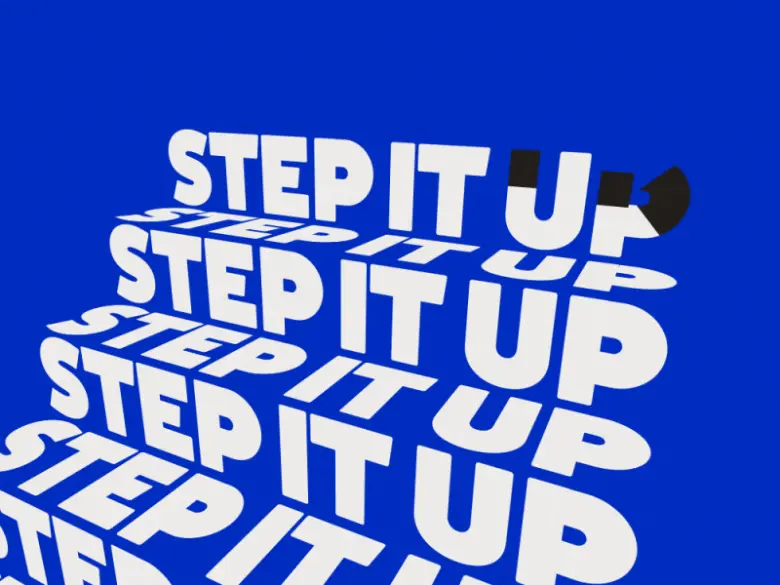
Image courtesy: Wyzowl
Kinetic or motion-based typography is another fascinating trend that allows text to move. You can slide, fade, zoom, or change the shape of letters to make visual content more engaging. It’s widely used across websites, apps, and social media because moving text naturally grabs attention, guides the viewer’s eye, and makes information easier to understand. As people spend more time on short-form and interactive content, motion in texts has become a standard practice. Designers can now easily create smooth motion with faster devices and more accessible tools. In 2026, kinetic typography responds to user actions, sound, and real-time interactions, making it an eccentric means of communication.
3. A comeback for serifs
Serif fonts are typefaces that feature small decorative strokes at the ends of letters. In 2026, they are making a strong comeback after years of clean and minimal sans-serif fonts. Designers are now choosing serifs that are stylish but also easy to read, particularly for long-form content such as websites, blogs, and digital magazines.
What’s worth noting is that designers are opting for expressive serifs with more personality, featuring sharper details, higher contrast, and bolder forms. Modern serif fonts combine classic structure with fresh proportions, making them highly suitable for the current design needs. This shift brings in a sense of quality, professionalism, and trust. Brands are now using typography as a source of authority to build a strong visual identity.
4. 90s nostalgia
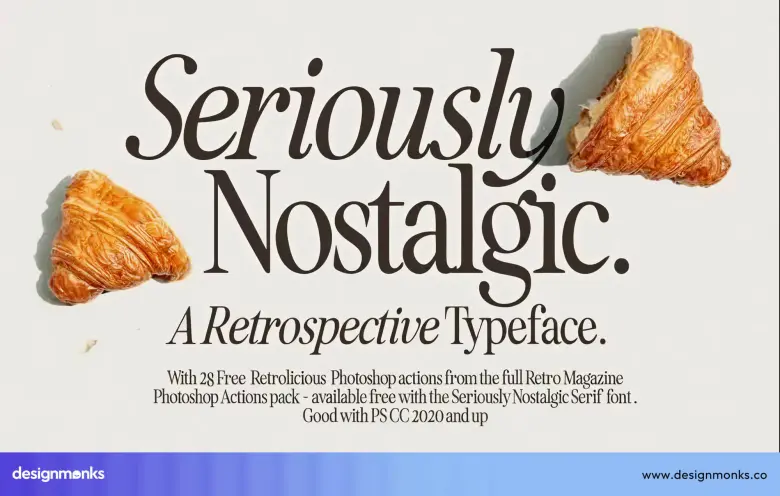
Image courtesy: Design Monks
90s nostalgia brings back typography inspired by the 1990s visual culture, but with modern layouts. Grunge typefaces, exaggerated compressed display fonts, and gradients that remind you of the early days of the internet and the tech boom, sparking nostalgia among 90s kids while also appealing to the younger generation. Sharp, angular letterforms, bold colors, and a vintage charm reminiscent of Nike or Levi's.
In 2026, this trend will remain popular because it feels familiar yet carries with it a fresh perspective. It connects with the present culture, which includes vintage fashion, retro music, and early internet visual styles. All of these draw attention, helping brands create designs that feel expressive as well as relevant.
5. Hand-drawn letterforms
Typography inspired by natural and organic forms is becoming increasingly widespread as sustainability holds tremendous value for most brands.
Typography inspired by hand-drawn letterforms has a unique human touch, something that cannot easily be copied. This quality visually signals the intention and care that most sustainable brands want to embody.
Designers are moving towards free-flowing lines, imperfect shapes, and hand-drawn styles that reflect the raw textures and imperfections. This trend is particularly relevant in 2026 for eco-conscious brands focused on sustainable materials and responsible practices. Many brands use this typography to strengthen their commitment to the environment while creating visuals that feel relatable and help audiences connect.
6. Monospaced fonts
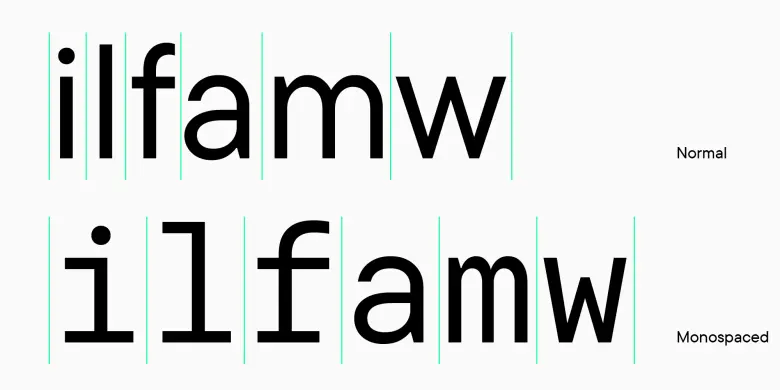
Image courtesy: Type Type
Monospaced fonts are evenly spaced.
Monospaced fonts are typefaces where every character occupies the same fixed width, regardless of its shape or size. They effectively convey structure and precision, which makes them a great fit for tech brands. Once confined to coding and developer tools, monospaced fonts are finding a new identity in modern designs. Be it product marketing, editorial layouts, website design, or social media creatives, they are everywhere in ways that would have seemed impossible just a few years ago.
Monospaced fonts communicate a message with a sense of order and systematic thinking that deeply resonates with tech brands. They are equivalent to a handwritten note, suggesting intention. They are becoming increasingly relevant to startups seeking a clean visual identity.
7. Variable and responsive fonts
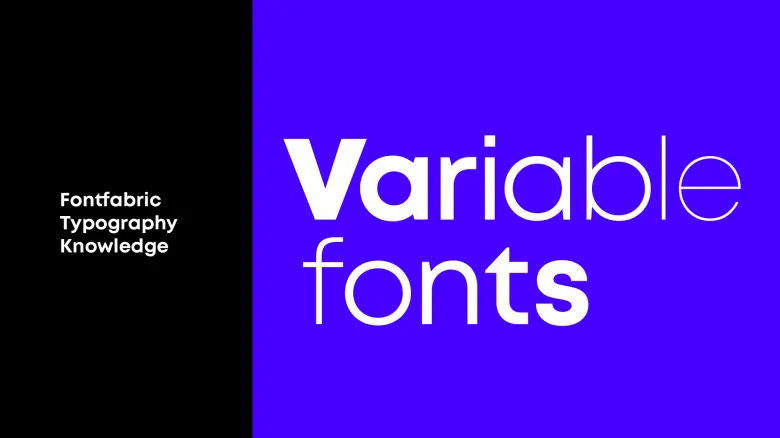
Image courtesy: Font Fabric
A variable font is a single file that can change weights, widths, styles, and optical sizes.
Variable fonts work by encoding an entire type family into a single file, with continuous variation across weight, width, style, optical size, and more. This can be easily adjusted as opposed to switching between fixed styles. Instead of a typeface existing as separate files for light, regular, bold, and italic, all of those possibilities live within one file and can be dialed to any point along the spectrum. This fundamentally changes how designers work with typography, providing them with a far greater range without the performance cost of loading multiple font files. They can use a single flexible file that can be adjusted instead of loading multiple font files. The technology has existed since 2016, but 2026 is the point where it’s become mainstream.
One of the biggest advantages of variable fonts is their ability to support responsive typography. Designers can seamlessly adjust text to look balanced and legible across smartphones, tablets, laptops, and large desktop screens without switching between multiple font files. As a result, many of the best UI fonts are now available in variable formats, ensuring consistent readability across devices. This trend improves web performance and supports accessibility by allowing text to be enlarged for easier reading. It saves space, speeds up websites, and makes text convenient to read on any device.
8. Typographic distortion
Typographic distortion is one of the most expressive trends of the year, gaining significant traction across branding, editorial design, and digital campaigns. Asymmetric, stretched, or warped letterforms are becoming a standard in branding, particularly in music, fashion, and streetwear. Many brands have embraced this trend to communicate a forward-thinking approach that resonates with audiences who enjoy visual disruption.
Typography design in 2026 is comfortable with letterforms that challenge expectations and create dramatic compositions. Variable font has made it easier to push type into extreme optical states, and designers are using that capability to create visuals that register before a viewer has consciously processed what they’re looking at.
9. Photo lettering
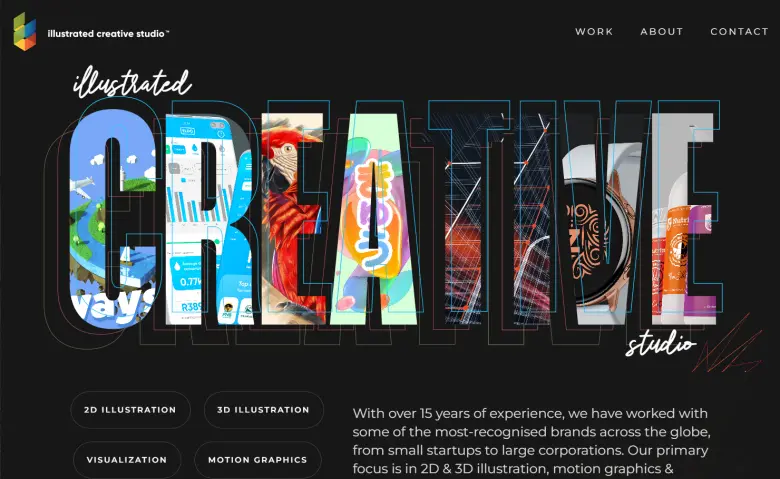
Image courtesy: Illustrated Creative Studio
Photo lettering integrates type with photography in ways that blur the boundary between the two. Letters are formed by elements within a photograph: shadows, architecture, plant forms, and texture. Alternatively, photography is embedded within the letterforms themselves, so the image becomes visible through the type.
The technique has roots in mid-century advertising, where magazines experimented with it in cover treatments, in which the editorial image and the masthead became a single visual unit. It’s labor-intensive, but the payoff is a piece of typography design that can’t be replicated by switching a font.
10. Maximalist and bold typefaces
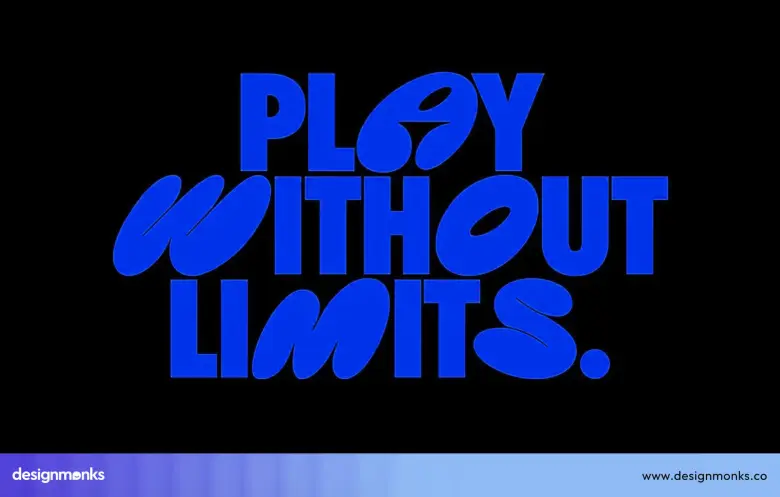
Image courtesy: Design Monks
Typefaces that feature a large, heavy, and commanding visual presence are categorized as bold and maximalist. Commonly used in headlines, landing pages, and advertisements, these fonts are designed to capture attention and make key messages impossible to ignore.
As audiences have shorter attention spans and are exposed to increasingly crowded online spaces, designers are turning to bold typography to communicate messages quickly and more effectively. Whether in social media posts, website hero sections, or banners, oversized letterforms help make information visible at a glance. In 2026, maximalist typography remains a powerful design trend because of its ability to create immediate visual impact. These typefaces help brands cut through the noise and engage audiences within seconds, making them an essential tool for modern digital communication.
11. Retro-futurism
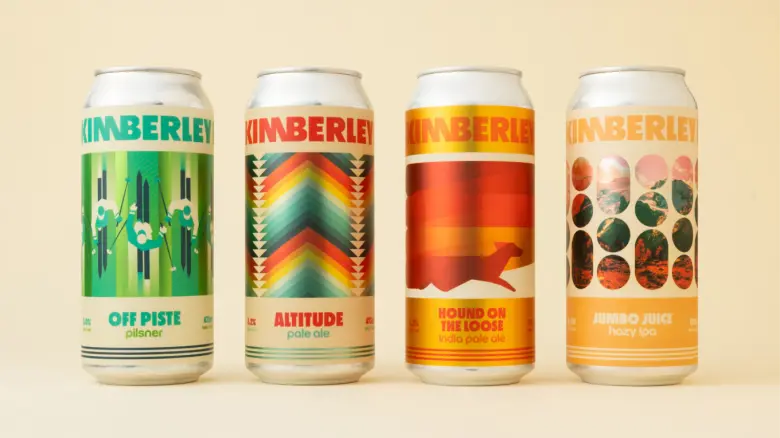
Image courtesy: Reflect Design Co
Retro-futurism is inspired by the design styles of the 1970s and 80s, with modern layouts that feel nostalgic and on trend. Drawing from the visual charm of the past, this trend combines retro fonts with vibrant colors, geometric shapes, and vintage details, which are often applied to websites, apps, and social media content. The retro-futuristic type is celebrated because it connects the audience with 2000s fashion, retro music, and familiar visuals. Also, it combines recognizable shapes with modern compositions. In 2026, it will continue to thrive for its cultural crossover, especially among the younger audiences across fashion and music.
Typography design examples to inspire your next project
Typography is often the first visual element people notice in a design. The right typeface can communicate personality, strengthen brand recognition, and influence how audiences perceive a message.
Read on to learn more about these inspiring typography design examples that can give you a head start on your next project.
1. The Whole Truth
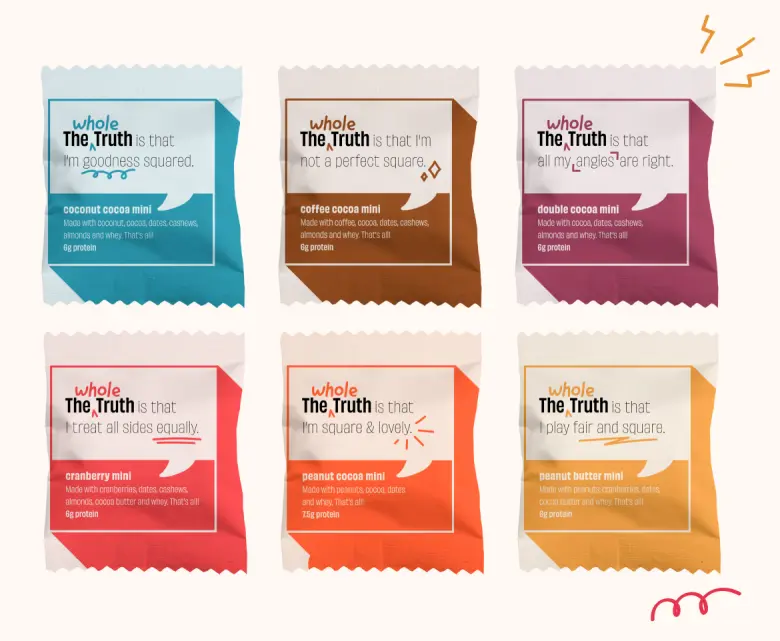
Image courtesy: Thought over design
The Whole Truth uses typography to support transparency and authenticity. Their product packaging often features straightforward, easy-to-read text that highlights ingredients and brand messaging. The typography works alongside the brand's honest communication style, proving that type can strengthen storytelling and consumer trust.
2. Swiggy

Image courtesy: Medium
As a technology-driven food delivery platform, Swiggy relies on clean, legible typography that performs well across different screen sizes. The modern sans-serif typeface supports an effortless user experience by ensuring clarity in menus, navigation elements, and promotional content. This is an excellent example of typography designed with usability in mind.
3. Spotify
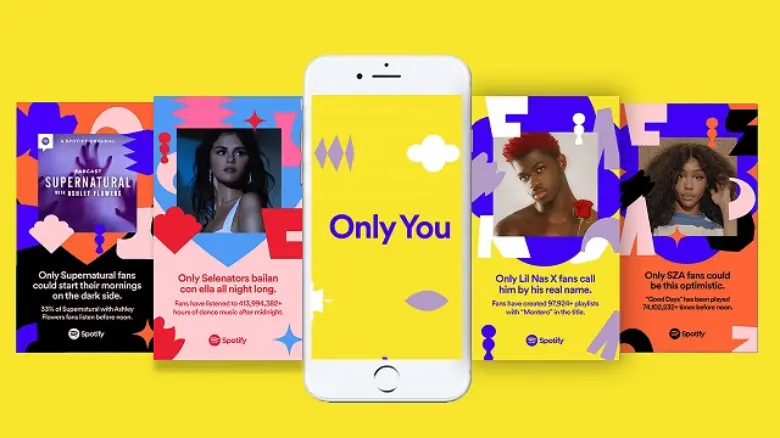
Image courtesy: Ginger Media Group
Spotify frequently experiments with bold, oversized typography in its playlists, campaigns, and promotional materials. Combined with vibrant colors and motion graphics, the typography helps create an energetic and modern visual language that resonates with younger audiences.
4. FabIndia
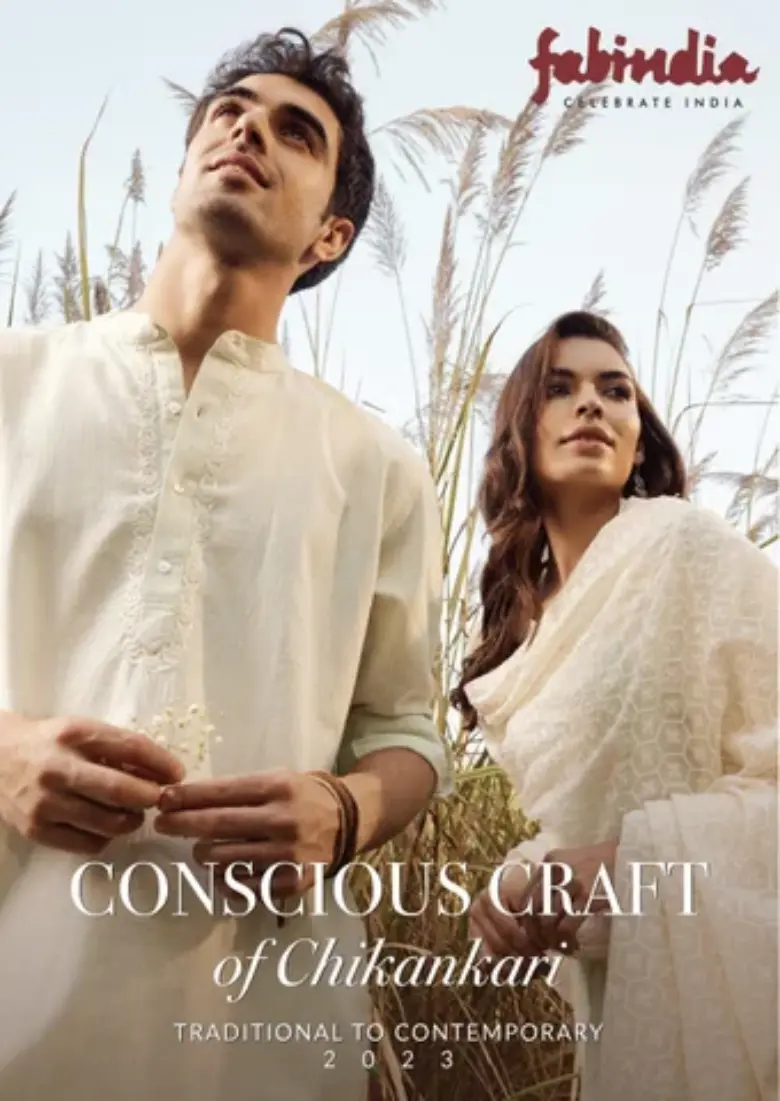
Image courtesy: Issuu
FabIndia's branding frequently incorporates elegant serif typography that reflects craftsmanship, tradition, and authenticity. The typography aligns perfectly with the brand's focus on handmade products and Indian heritage. The classic letterforms create a sense of trust while supporting the brand's cultural roots.
5. Nike
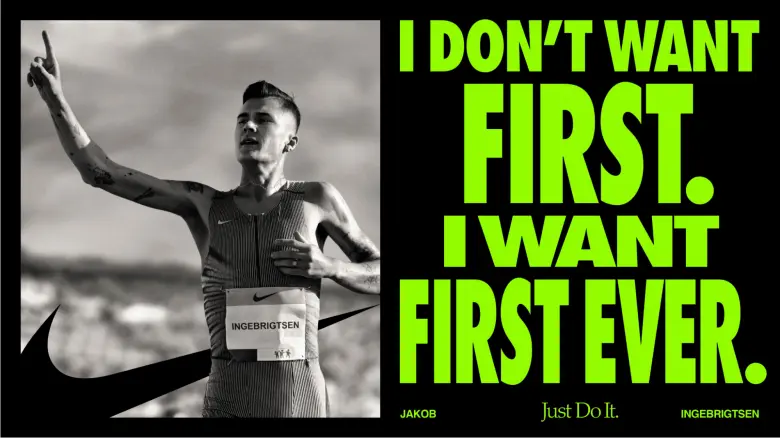
Image courtesy: Nike
Nike often combines bold typography with strong visuals to create memorable campaigns. Large, impactful letterforms help communicate confidence, motivation, and performance. This demonstrates how typography can become an extension of a brand's voice instead of simply a tool for displaying information.
6. Vogue India
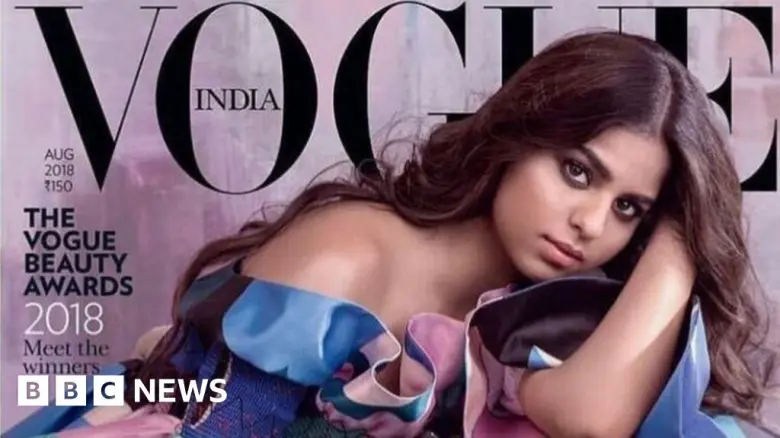
Image courtesy: BBC
Vogue India demonstrates how typography can create a strong editorial presence. The publication combines sophisticated serif headlines with clean supporting text. This approach helps maintain readability while giving the magazine its distinctive visual character.
Closing thoughts
Good typography brings clarity to any design, guiding the viewer's eye and making content more approachable. While this year’s trends may seem more dynamic, they are simply a reflection of what’s working and what’s not. If you’re planning your next campaign, your goal shouldn’t be to tick every trend. It’s to decide which trends resonate with what you're trying to convey as a brand.
To learn more about typography design, head over to the AND Academy blog for similar articles. You can also refer to this Typography project by AND Learner, Sreya Sara Binoy for more inspiration.
If you want to learn more about Typogrpahy and how you can turn it into a career, check out AND Academy’s Graphic Design courses that will help you understand the nuances of fonts and typefaces so, you can create work that speaks to the world!