






×
Apply by 9 Sep & Save up to ₹18K. Only 8 Seats Left.
|
02
Days
17
Hours
34
Minutes
56
Seconds
|




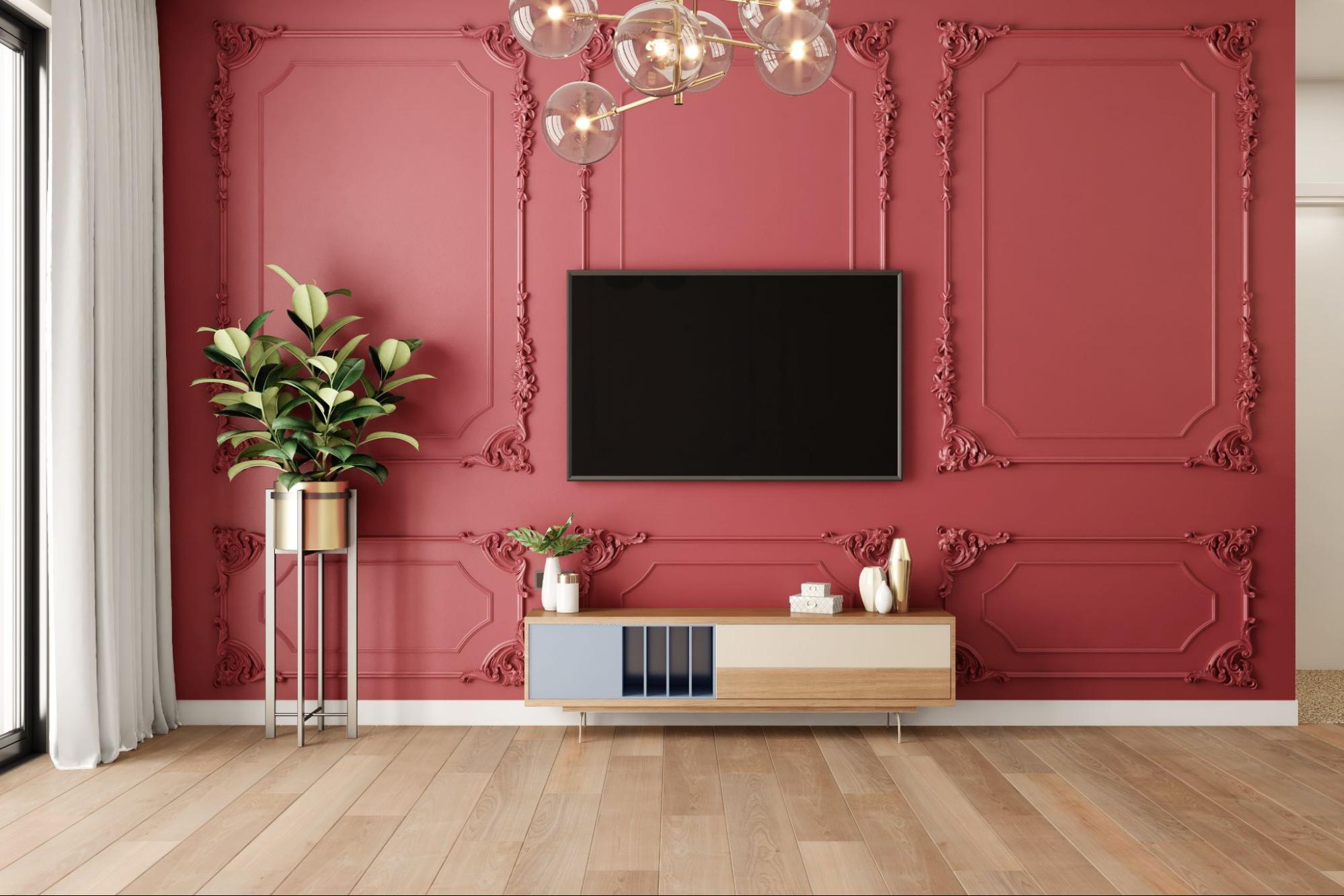
Reflection symmetry, also known as mirror symmetry, occurs when one half of a design mirrors the other half across a central axis. This type of symmetry creates a sense of order and balance by positioning identical or nearly identical elements on opposite sides of an imaginary line.
This design principle is effective in creating focal points and establishing a sense of calm and elegance in spaces. Reflection symmetry can be applied vertically, horizontally, or along multiple axes, depending on the room layout and design goals.
Radial Symmetry
Radial symmetry arranges elements around a central point in a circular pattern.
Reflection symmetry can be implemented in various ways throughout interior spaces to create balanced and aesthetically pleasing environments. Common applications of reflection symmetry include:
Implementing reflection symmetry requires careful planning and attention to detail to achieve maximum impact. When executed successfully, it results in spaces that feel intentional, elegant, and visually cohesive. Key principles for creating reflection symmetry include:
Note: All information and/or data from external sources is believed to be accurate as of the date of publication.


Consult Course Advisors

Hire Our Graduate / Upskill Your Team
Become An Instructor
Apply by 9 Sep & Save up to ₹18K. Only 8 Seats Left.
|
02
Days
17
Hours
34
Minutes
56
Seconds
|