




Tiles in drawing rooms used to be frowned upon, but in recent times, they have become a trend. Read this blog to know how tiles are slowly becoming the cornerstone of modern architecture and interior design.
SUMMARISE WITH:


Tiles in drawing rooms used to be frowned upon, but in recent times, they have become a trend. Read this blog to know how tiles are slowly becoming the cornerstone of modern architecture and interior design.
Architecture and interior design have changed in recent years. Surfaces are no longer just the final layer of a building. They now help shape its identity, strength, and purpose. When you look at modern buildings today, the outer surface often creates the first impression.
Due to this change, surface materials are required to go beyond being attractive. They must deal with wear, weather, and long-term use. Simultaneously, they should encourage innovative design. Modern architecture tiles have become a popular solution for this reason. Architects and builders use them widely in homes, offices, and public spaces.
Market trends show the same story. The global ceramic tiles market reached about USD 112.7 billion in 2024. Growth continues as cities expand and construction increases. By 2032, the ceramic and porcelain tile industry may reach around USD 333 billion. Tiles are also moving beyond kitchens and bathrooms. Today, tiles for modern architecture appear on facades, outdoor areas, and feature walls, shaping how modern spaces look and feel. So let us dive into what is changing and what to expect from tiles in the future.
Here is a brief of what we will be covering in this blog.
- The Evolution of Tiles in Architectural Design
- Why Are Tiles Becoming Central to Modern Architecture?
- Applications of Tiles in Contemporary Architecture
- Technological Advancements Transforming Tile Design
- Material Innovations in Modern Tiles
- Emerging Design Trends in Architectural Tiling
- The Future of Tiles in Architectural Innovation
- FAQs About Tiles in Modern Architecture
- Conclusion & Next Steps
The Evolution of Tiles in Architectural Design
Tiles have played a role in architecture for centuries. Early builders used ceramic and stone tiles because they were strong and long-lasting. You can still spot them in ancient Persian palaces, Roman bathhouses, and traditional Mediterranean homes. Many of those tiled surfaces have survived for hundreds of years.
Back then, tiles had a simple job. Keep moisture away from walls. Make spaces easier to clean. That’s why they showed up mostly in kitchens, bathrooms, and narrow hallways. Many designs were basic. Small patterns. Repeating shapes. Nothing too dramatic.
Manufacturing slowly changed that story. Better machines and better materials meant architectural tiles could be made larger and stronger. Designs improved as well.
- Bigger tile sizes that create smoother surfaces.
- Stronger materials that handle heavy use.
- Digital printing that allows detailed patterns.
- Better firing methods that improve durability.
Because of these changes, architects now think about tiles much earlier in a project. Not just as aesthetics, but as part of the design itself.
Why Are Tiles Becoming Central to Modern Architecture?
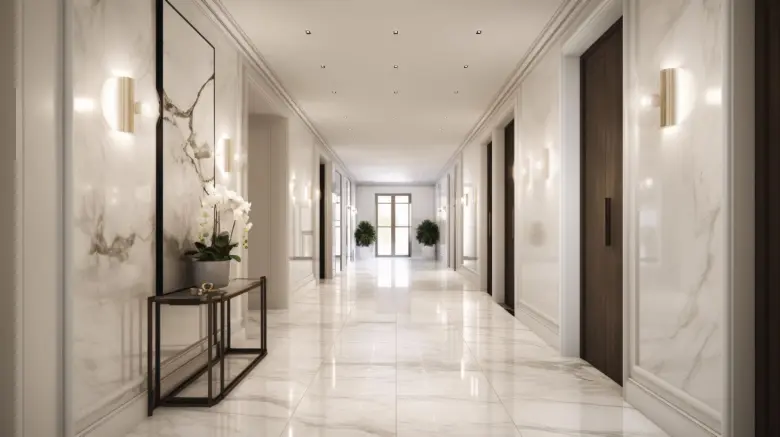
Modern buildings need materials that can do several things at once. They have to be strong and practical to maintain and still look good. The tiles in modern architecture fit that balance quite well, which is why they appear so often in homes, offices, and public buildings. Their use has grown steadily over the years. In fact, world tile production in 2024 was 14,950 million sqm. They are used on numerous surfaces by builders and designers. Here are some of the reasons why tiles still have a significant role in modern architecture.
Aesthetic Versatility
Tiles play a major role in modern architecture because they offer a wide range of design possibilities. Designers often use architectural wall tiles to create textured feature walls that add character to spaces. Many homes today include tiles for interior walls in living areas and bathrooms. They are also popular as tiles for contemporary homes because they combine style with practicality.
Durability and Longevity
Tiles are known for their strength and ability to last for years without major maintenance. Builders often choose tiles for exterior walls since they can handle heat, rain, and daily weather changes. They are widely used for modern buildings where durability is important. In many projects, architects also prefer porcelain architectural tiles because they are dense and highly resistant.
Hygiene and Easy Maintenance
Tiles are easy to clean and help maintain hygienic spaces in both homes and commercial buildings. Many designers prefer ceramic tiles for architecture because they resist stains and moisture. They are frequently installed as tiles for commercial interior design in offices, hotels, and public spaces. Their smooth surfaces make routine cleaning simple and efficient.
Sustainability and Environmental Benefits
Sustainable interior design often focuses on materials that last long and require minimal replacement. Facade tiles are regularly used by architects on buildings to shield exterior walls against weather damage. Many structures also use tiles in order to ensure the construction facade systems are more robust and do not require as much maintenance. These materials enable the buildings to be strong and contribute to long-term efficiency.
Innovation in Production Technology
Tile manufacturing has improved greatly with modern technology and design tools. Many new projects use large-format architectural tiles to create smooth and continuous surfaces. These tiles reduce visible joints and give buildings a clean appearance. They are widely used in modern projects where consistent design and precision installation are important.
Applications of Tiles in Contemporary Architecture
Tiles are now used across a wide range of architectural environments. Their adaptability allows designers to experiment with different spatial concepts.
Exterior Building Facades
Tiles on exterior walls do more than decorate a building. They are used to shield it against the weather and ensure that the colors do not fade away with time. Due to these properties, porcelain tile cladding is used in many hotels, office towers, and commercial buildings to develop a powerful and identifiable architectural appearance.
Interior Feature Walls
Tiles can be the focal point of a room inside a building. The feature walls of living rooms, restaurants, and hotels are normally covered with patterned or textured tiles. Tiles in contemporary architecture add depth and personality to a space without necessarily having to make any structural changes.
Flooring in Large Spaces
Large commercial settings such as airports, malls, and modern office complexes usually use tiles as a flooring material due to their longevity and maintenance. The residential market is also a major user of the tiles. The residential segment has been found to contribute over USD 54.53 billion of the tile demand in the world in recent market surveys, which shows the extent to which tiles are applied in housing projects.
Technological Advancements Transforming Tile Design
Tile design has come a long way from the small squares people remember in old kitchens and bathrooms. Walk into a newer building today, and the surfaces often feel different. Cleaner. Larger. Sometimes almost sculptural. A lot of that shift comes from better technology and changing modern tile designs.
Large Tiles and Open Surfaces
Manufacturers now produce tiles that are much larger than older formats. One tile can cover a big section of a wall or floor. That makes it easier to create seamless tile surfaces where the material feels almost continuous. Architects like this approach because it supports minimalist tile architecture with clean, quiet lines.
Printed Patterns and Custom Looks
Technology also changed how tiles look. Digital printing lets makers reproduce stone, wood, or detailed geometric tile patterns with impressive clarity. Because of that, many projects now use designer architectural tiles to bring character without relying on fragile natural materials.
Texture and Dimensional Walls
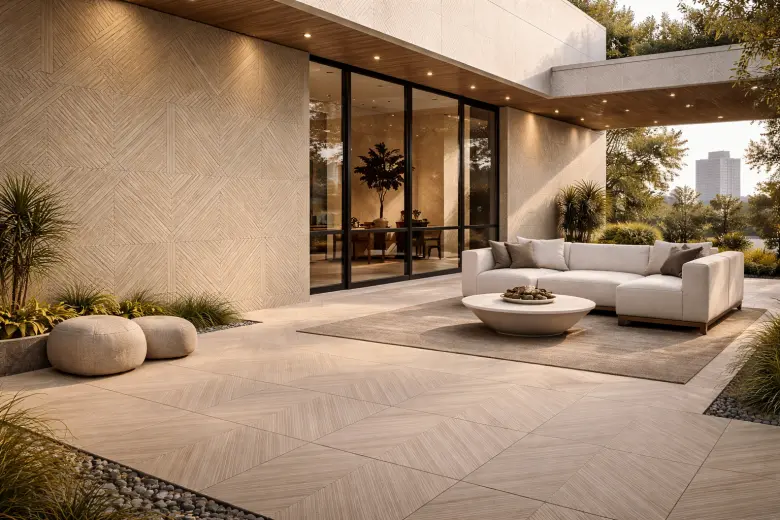
Flat tiles aren’t the only option anymore. Surfaces now include 3D architectural tiles that add depth and shadow. As light shifts during the day, these innovative tile surfaces change subtly, which is why architects often place them in entrances or feature walls.
Material Innovations in Modern Tiles
The manufacturing and materials of tiles have improved a lot in modern production. The tiles have become stronger and more reliable due to the new materials and improved production techniques. Because of that, builders now use them widely as architectural surface materials in many projects.
Porcelain Technology
Porcelain tiles are popular mainly because they’re tough and don’t absorb much water. That combination makes them useful for exterior walls and busy areas. Many architects also choose them as heat-resistant exterior tiles, especially in places with strong sun and changing weather.
Large Format Tile Development
Large-format architectural tiles are used to form continuous and smooth surfaces. They are larger than the conventional tiles, and this reduces the number of grout lines and creates a cleaner appearance on the walls. Architects often employ them in their exploration of the concepts of modern facade design in modern buildings.
Advanced Surface Finishes
Tiles are now available in various finishes, including matte, polished, textured, and anti-slip. These finishes enhance the safety and look in various spaces. In many projects, designers also compare tiles vs stone cladding when choosing materials for exterior surfaces.
Digital Printing Technology
Digital printing has made it possible to create tile surfaces that resemble marble, wood, and natural stone. This technology gives designers more flexibility in architectural projects. Because of this, many professionals now study tiles vs natural stone for architecture when selecting suitable materials.
Nanotechnology and Surface Treatment
Nanotechnology is now used to improve tile surfaces. Special nano coatings create a protective layer that helps resist stains and scratches. These improvements also support the development of sustainable building materials that last longer and require less maintenance.
Through-Body Veining Technology
Premium porcelain slabs sometimes use through-body veining. The pattern runs throughout the tile instead of sitting only on the surface. That means the design remains visible even if the surface wears down over time.
Emerging Design Trends in Architectural Tiling
Tiles aren’t used the same way they once were. Years ago, they mostly solved practical problems, protecting walls or covering floors. A tile surface can shape how a room feels, not just how it functions.
Biophilic Colours and Natural Inspiration
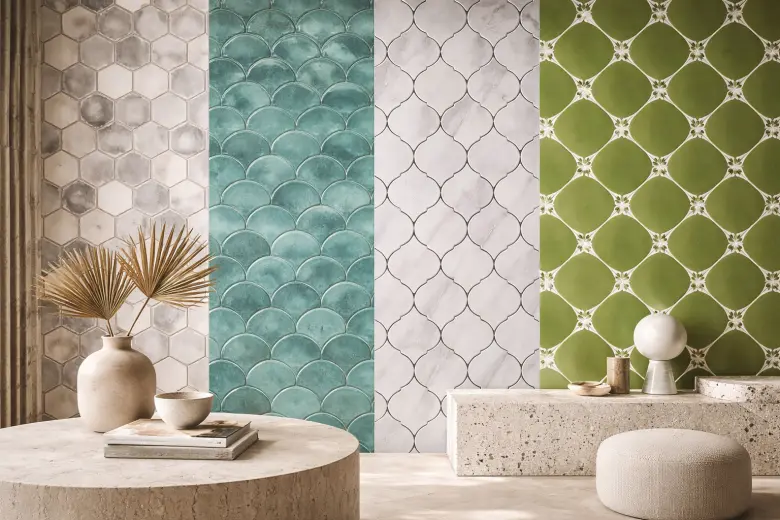
Nature has become a strong source of inspiration. Many tile collections now use earthy shades such as terracotta, beige, warm brown, and soft green. These colours make spaces feel calm and grounded. Light warm whites are also gaining popularity. In some projects, deeper tones like emerald or sapphire appear in smaller areas to create contrast.
Also Check Out: Color Trends for 2026: Trending Palettes for Designers
Sustainability in Tile Design
Sustainability is influencing how architectural tiles are produced as well. Some manufacturers now include recycled raw materials in their products. Others focus on improving energy efficiency during production. Tiles with low VOC emissions are also preferred since they help keep indoor air cleaner.
Creative Patterns and Shapes
Tiles can bring life to a space through pattern. Hexagon layouts, chevron lines, and herringbone floors appear in many modern interiors. Even checkerboard floors, once considered old-fashioned, are showing up again in new designs.
Mixed Materials and Digital Innovation
Today, interior designers prefer to combine various styles of tiles in one room rather than apply a single design. You may find wooden-appearance tiles in combination with concrete finishes or a few metallic details. Digital printing is also used to make tiles appear like marble, wood grain or natural stone.
The Future of Tiles in Architectural Innovation
Architecture keeps on changing. As building technology improves, materials evolve with it. Tiles are part of that shift. Many designers expect them to play a bigger role in the buildings we’ll see in the coming years.
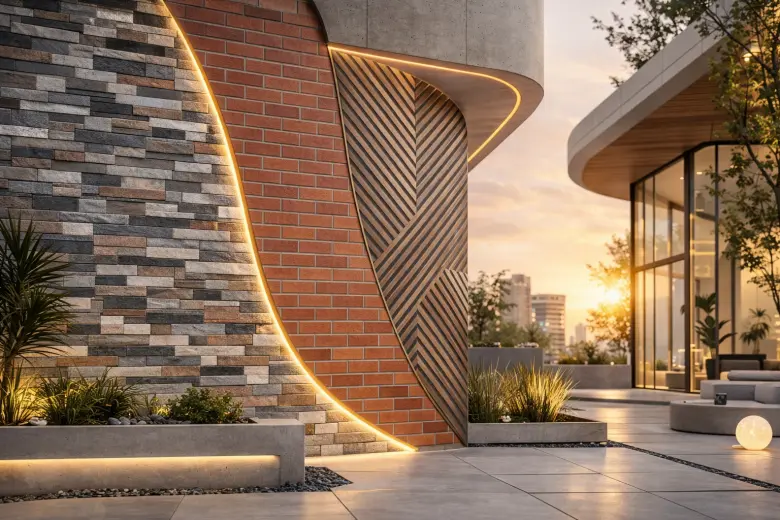
New ideas are already appearing in construction. Ultra-thin porcelain slabs make it possible to cover large areas with lighter materials. Some architectural tiles now include special coatings that resist stains or pollution. Modular facade systems are also changing how tiles are installed on building exteriors. We recommend you check out this project by AND Learner, Nandini Nagarajan, to get inspiration on how to use tiles for your next project.
As cities keep growing, architects are always looking for materials that give them more freedom. More people in cities means more housing, offices, and public infrastructure. Builders will need materials that can handle heavy use and changing weather. Tiles happen to do that well. They’re tough, flexible in design, and easy to work with. That’s why many designers keep exploring new ways to use them as urban spaces grow.
FAQs About Tiles in Modern Architecture
1. Why do architects often choose tiles for modern buildings?
Tiles handle wear well and rarely demand much maintenance. That’s why many projects lean on weather-resistant architectural tiles when durability really matters.
2. How are tiles used on exterior building walls?
Instead of leaving plain concrete or plaster outside, builders often add a protective layer. Many projects install tile cladding systems over structural walls. This approach protects the building and gives architects more freedom to shape the exterior.
3. What role do ventilated tiles play in building facades?
Some buildings place ventilated facade tiles slightly away from the main wall. That small space behind the tiles lets air move freely. Good airflow helps reduce moisture buildup and keeps exterior walls from overheating.
4. Why are tiles becoming common in sustainable building projects?
Longevity plays a big role in green construction today. Many architects now choose tiles for sustainable architecture because they last for decades. When materials don’t need frequent replacement, buildings create far less construction waste.
5. How do tiles influence modern facade aesthetics?
Look at many new offices or cultural buildings today. Their character often comes from the outer surface. Contemporary building facade design frequently uses tiles to create rhythm, texture, and subtle visual depth.
6. How are tiles shaping new building surface ideas?
Designers constantly experiment with materials when shaping buildings. Tiles now help create innovative building surfaces. Many of these ideas grow from current architectural design trends, where durability and visual creativity come together naturally.
Conclusion & Next Steps
Tiles didn’t always get much attention. For a long time, people saw them as simple finishing pieces. Something you added at the end of construction. That view has changed. Today, architects treat tiles as part of the design itself.
Tiles are becoming an important part of how interior designers and architects work and produce outcomes. If you want to learn more about how to build rooms with tiles that are functionally and aesthetically sound, check out AND Academy’s online Interior Design courses.
Talk to our course advisors today to understand how you can launch your career in Interior Design successfully!
Note: All information and/or data from external sources is believed to be accurate as of the date of publication.