




Learn everything about industrial interior design, from understanding its origin and key features to exploring its types. Also, find tips and ideas to implement this style into your homes or upcoming projects.
SUMMARISE WITH:


Learn everything about industrial interior design, from understanding its origin and key features to exploring its types. Also, find tips and ideas to implement this style into your homes or upcoming projects.
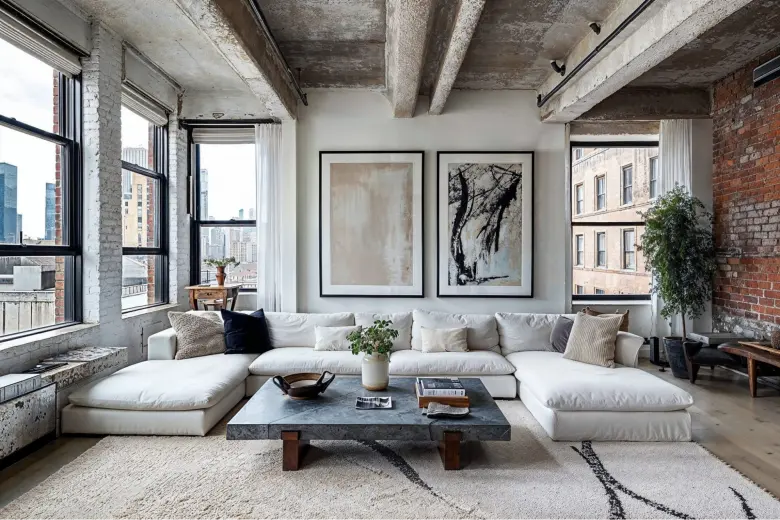
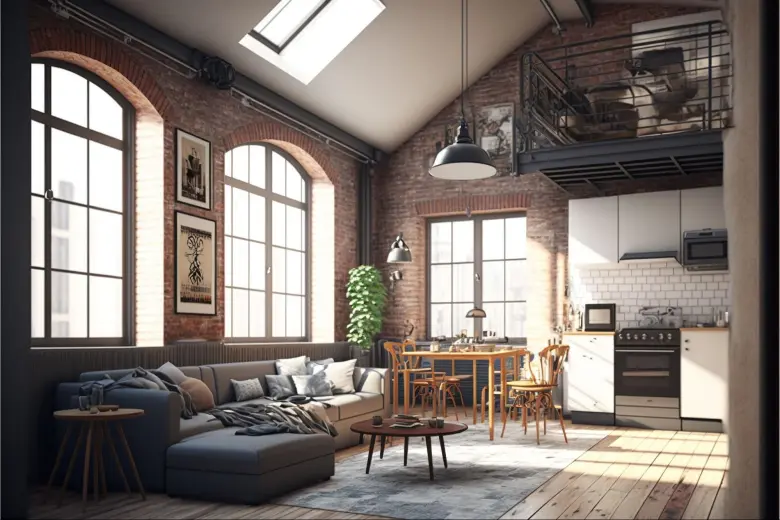
Industrial interior design is widely appreciated for its raw and unfinished look. Think exposed brick walls, visible metal beams, concrete floors, high ceilings, and lighting fixtures that remind you of a vintage factory. Although it began as a practical way to repurpose abandoned industrial buildings into livable spaces, today it has evolved into a desirable style that is iconic and full of character. This style is ideal for you if you value a connection to history and prefer a rugged aesthetic for your interiors.
If you're curious about how to incorporate an industrial interior design style for your own space, this comprehensive guide will walk you through every step you need to know. Here, we cover the basics of industrial interior design, its origin, and types, and also explore defining features and valuable tips to help you embody this style in your designs or homes.
Below is a list of everything that we'll be covering in this article!
- What is Industrial Interior Design?
- Origin of Industrial Interior Design
- Typical features of Industrial Interior Design
- Types of Industrial Interior Design
- Tips to Incorporate Industrial Interior Design in Your Space
- Final thoughts
What is Industrial Interior Design?
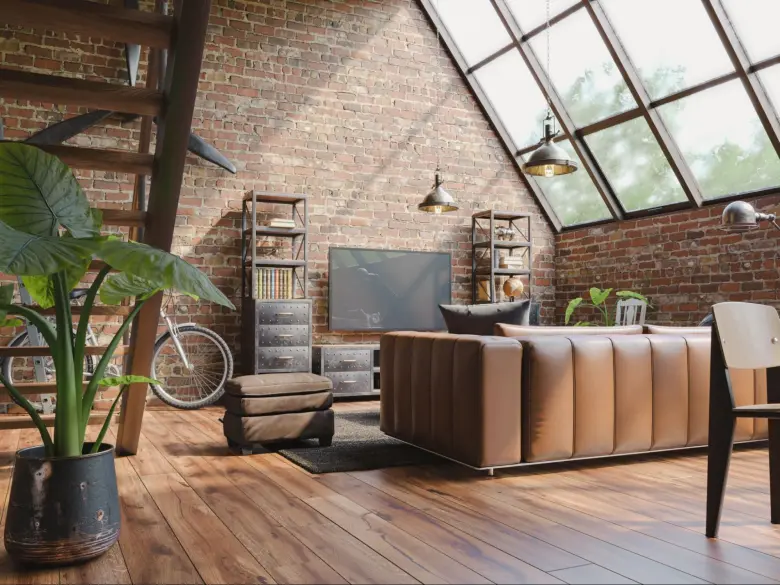
Inspired by old factories and warehouses, industrial interior design is characterized by exposed structural elements and unrefined materials such as pipes, metal finishes, concrete floors, visible brickwork, and ductwork with a pared-down aesthetic. Dating back to the mid-20th century, when abandoned warehouses and factories were converted into homes in parts of the US and Europe due to housing shortages, this style deliberately exposed the rawness of architectural features and materials rather than concealing them with polished finishes. The approach was simple: open floor plans, neutral color palettes, and grungy textures.
Origin of Industrial Interior Design
Industrial interior design style emerged in the 1950s and 1960s, during the American economic crisis, a period that reshaped architecture and urban development. During this time, warehouses, factories, and mills were built to support manufacturing and mass production. When manufacturing moved to other locations, these sturdy industrial buildings were left behind. To make these buildings economically useful, architects decided to turn them into residences, without hiding the exposed structural elements, and showcasing them as decorative features instead.
Over time, industrial interior style gained popularity among architects and interior designers and started appearing in modern homes, restaurants, offices, and retail spaces. Today, the style has expanded into several variations. Despite its evolution, the core idea remains the same: celebrating raw materials and architectural features.
Typical features of Industrial Interior Design
Industrial interior design relies on a distinct set of features. Here are some essential ones that you can use to create an ideal warehouse-inspired look for your interiors:
1. Exposed structural details
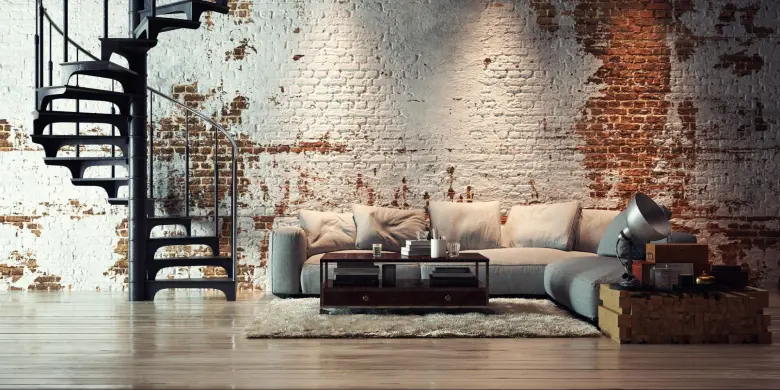
The industrial interior design style celebrates the structural elements of a building and proudly reveals them. This means exposed beams, brick walls, concrete floors, and visible ductwork. The intention is to highlight and allow the original features of the building to shine.
2. Neutral color palette
The color palette used in industrial interior design is typically neutral, including hues of grey, black, and white. These tones are often paired with warmer colors such as rust, beige, and brown to create a sharp contrast with the natural tones of metal. wood, or brick.
3. Large windows
This style often features expansive and unadorned windows that bring in plenty of natural light. If such large windows aren't feasible for some projects, you can use clean windows with minimum treatments and an open layout to achieve a similar effect. You can also add mirrors that help bounce light and make the room feel larger. This focus on natural light contributes to the overall feeling of openness and comfort.
4. Repurposed materials
There's a certain charm about reusing old objects and materials. Take, for example, a coffee table built mounted on castor wheels, a bookshelf made from reclaimed timber, or a dining table with weathered edges, all of which add an interesting narrative to an industrial interior space that might otherwise feel dull.
Repurposed materials are also a clever way to introduce natural textures into an aesthetic that leans heavily on metal and concrete. If you're looking to make your industrial interior feel more personal and layered, investing in one or two well-chosen repurposed pieces is one of the most effective ways to do it.
5. Minimal furniture
In industrial interior design, furniture is chosen for its usefulness. Uncomplicated forms, sturdy materials, and clean lines are your go-to. Overly decorative or delicate pieces tend to clash with the raw energy of the space. You can choose leather, wood, or metal for seating, storage, and tables.
6. Bare light bulbs
Few design choices communicate industrial style as immediately as an exposed Edison bulb. Warm, amber-toned, and simple, these bare bulbs can be hung solo or clustered together as an improvised chandelier and are among the most iconic elements of this style.
That said, if fully exposed bulbs feel too pared down for your taste, there are equally compelling alternatives. Oversized metal dome pendants, cage-style ceiling fixtures, or floor lamps that partially reveal the bulb are excellent options. Industrial interiors look their best when the light sources feel like they belong, rather than having been chosen for effect.
7. Natural textures
Layering textures is where this interior design style really stands out. Concrete, reclaimed wood, exposed brick, and steel each bring a unique tactile quality to a space when thoughtfully combined. The interplay of smooth and rough, warm and cool, matte and reflective creates a visually rich environment without feeling overdone.
Softer materials, such as weathered leather and linen, add comfort to spaces. Draped over a sofa or layered across a chair, these fabrics make this rugged style feel like a home. Metal accents, whether polished steel, brushed aluminium, or blackened iron, tie the whole composition back to its roots, the warehouses and factories that first inspired this enduring style.
Types of Industrial Interior Design
There are various types of industrial interior design and themes that you can adapt depending on the style that resonates with your personal experiences. Let’s have a look at some popular types of interior design under the industrial category:
1. Scandinavian Industrial Design
Scandinavian Industrial design is a striking fusion of Nordic modernism and raw, industrial materials. Exposed brick, steel, concrete surfaces, and metal fixtures create an edgy foundation, while light woods, soft textiles, and an abundance of natural light soften the harsher industrial elements, creating a space that’s rugged as well as inviting. The color palette leans toward greys and blacks, balanced by wooden and leather accents. The furniture blends industrial materials with Scandinavian design — metal-framed chairs with wooden seats or concrete coffee tables with organic shapes, offering a retro vibe with lasting comfort.
2. Minimalist Industrial design
Minimalist industrial design strips the aesthetic down to its most essential elements. This variant takes the raw and unfinished quality of industrial style and pairs it with the "less is more" approach of minimalism, creating spaces that feel uncluttered and intentional. Exposed concrete, steel, and clean graphic lines form the foundation, while the palette remains monochromatic, such as whites, greys, and blacks, with little room for deviation. Furniture is sparse and carefully chosen, with each piece serving a purpose. There are no decorative accessories, just raw materials and generous negative space that make the architecture the most compelling feature in the design.
3. Rustic Industrial design
Rustic industrial design focuses on reclaimed materials. Weathered timber, distressed leather, worn brick, and oxidised metal work together to create spaces that feel rich with history and character. Unlike the urban edge of classic industrial design, the rustic variant embraces earthy tones such as deep browns, terracottas, ambers, and forest greens. Think barn-style sliding doors, hand-hewn wooden dining tables, wrought iron light fixtures, and chunky linen sofas.
4. Chic Industrial design
Chic industrial design takes the grit of the industrial aesthetic and gives it a glamorous update. The raw structural elements remain, but they are balanced with luxurious touches of velvet upholstery, brass or gold-toned fixtures, statement lighting, and carefully curated artwork. The color palette expands slightly here, welcoming deep jewel tones like emerald, navy blue, and burgundy alongside the classic industrial neutrals. The furniture used is often sleek and refined, with clean silhouettes.
Tips to Incorporate Industrial Interior Design in Your Space
If you're drawn to the raw appeal of industrial design, you don't need a converted warehouse loft to pull off this style. Whether you're starting from scratch or looking to layer industrial elements into an existing space, here are some practical suggestions to make it work.
1. Build your palette around natural tones & textures
Begin with a base of neutral browns and tans to set an earthy mood, then bring in white elements to open up the space. Finally, add some black accents through furniture legs, light fixtures, or hardware to create contrast.
When it comes to texture, consider distressed leather seating, woven linen throws, rough-hewn wood surfaces, and metal finishes layered throughout the same room. The interplay between these elements creates the iconic high-low quality that makes industrial interiors so visually compelling.
2. Combine modern and rustic elements
One of the most liberating aspects of industrial design is that there are no rigid rules about how much of each element you can include. The style thrives on contrast — the tension between the polished and the raw is precisely what makes it interesting. A sleek black leather sofa works just as well as a distressed vintage one. Rough, unpainted walls are equally valid alongside plain white ones.
The balance between modern and rustic is entirely up to you and what resonates with your personal style. Think of it less as a formula and more as a conversation between two worlds, and find the balance that feels most like home.
3. Go for loft-style windows
Big loft-style windows are quite common and a symbol of rustic industrial design. Apart from bringing in ample amounts of natural light, the metal frame structure of such a window doubles as an intriguing decorative feature. It perfectly fits in with the graphic lines that define industrial interiors.
4. Embrace an open floor plan
Inspired by the expansive floor space of old factories and urban lofts, this style feels most at home when walls aren't getting in the way. If you have the opportunity to open up your layout, you can have a kitchen island that flows into a living area. That said, open doesn't have to mean undefined. Large area rugs, freestanding bookshelves, movable room dividers, or even a well-placed curtain can create distinct zones within an open space, giving each area its own identity without disrupting the visual flow.
5. Be intentional with lighting
The exposed Edison bulb is the most iconic choice, but the real design opportunity lies in how you use it. Varying the shape and size of bulbs, playing with the visible filament as a decorative detail, or draping cables in deliberate patterns across the ceiling to form an improvised chandelier, all of these can become genuine style statements with very little investment.
For a slightly more structured look, consider black metal dome pendants, cage-style fixtures, or pipe-inspired floor lamps. The idea is to let the light source feel like a natural extension of the space, not an afterthought.
6. Let your structural elements breathe
If your space already has exposed brick, concrete floors, timber beams, visible columns, or ductwork, consider yourself lucky. These are the elements that give the feel of an industrial interior, and the instinct to cover them up should be firmly resisted.
Depending on how modern or raw you want the final result to feel, you can choose to leave these features entirely exposed or use them selectively as focal points. A single stretch of exposed brick on one wall, for instance, can become the identity of a room. And if your structural elements feel too underwhelming, painting them in a contrasting color, a dark matte black on ceiling beams, for example, is an easy way to make them stand out.
7. Incorporate metal accents
Rather than using whatever finishes come your way, choose two or three metal finishes and repeat them deliberately throughout the space. This creates a sense of intention and prevents the room from feeling accidental or disjointed.
Polished metal looks sleek and contemporary, while brushed or rusted metal leans into the rustic style. Black metal is the most effective choice for adding definition through furniture frames, light fixtures, shelving brackets, and hardware.
8. Don't be afraid of faux finishes
Not every home comes with an existing warehouse look. However, it is possible to achieve an industrial style with standard finishes, due to the quality and variety of faux options now available. Brick-effect wallpapers have become quite convincing, concrete-look floor tiles can replace the real thing without the structural work, and decorative pipes or beams can be added purely as visual elements.
This approach is also ideal for renters who want to experiment with the style without making permanent changes. The industrial vibe comes from how elements are combined and layered, not from whether each one is structurally authentic.
Final thoughts
All in all, industrial interior design is a versatile style to choose if you're looking for a tidy aesthetic paired with comfort. Whether you're looking for a minor upgrade to your current design or doing an end-to-end renovation, try to focus on balance. Incorporating a few trends that work well against a neutral backdrop can be effective in achieving your desired aesthetic.
We hope that this guide has helped you understand the nuances of this style and its profound impact, as well as inspired you to incorporate certain ideas into your projects or homes.
If you’d like to learn more about other interior design styles and related topics, head back over to the AND Academy Blog for more articles like this one. You can also check out this project by AND Learner, Aakriti Sharma, to get inspiration for your next project!
Want to learn more about Industrial and other types of Interior Design? Check out our online Interior Design Courses that will help you learn the fundamentals and create an impressive portfolio under the guidance of industry experts. Explore our Interior Design Diploma and Interior Design PG Diploma to kickstart your career in the field! Talk to our course advisors to learn more.